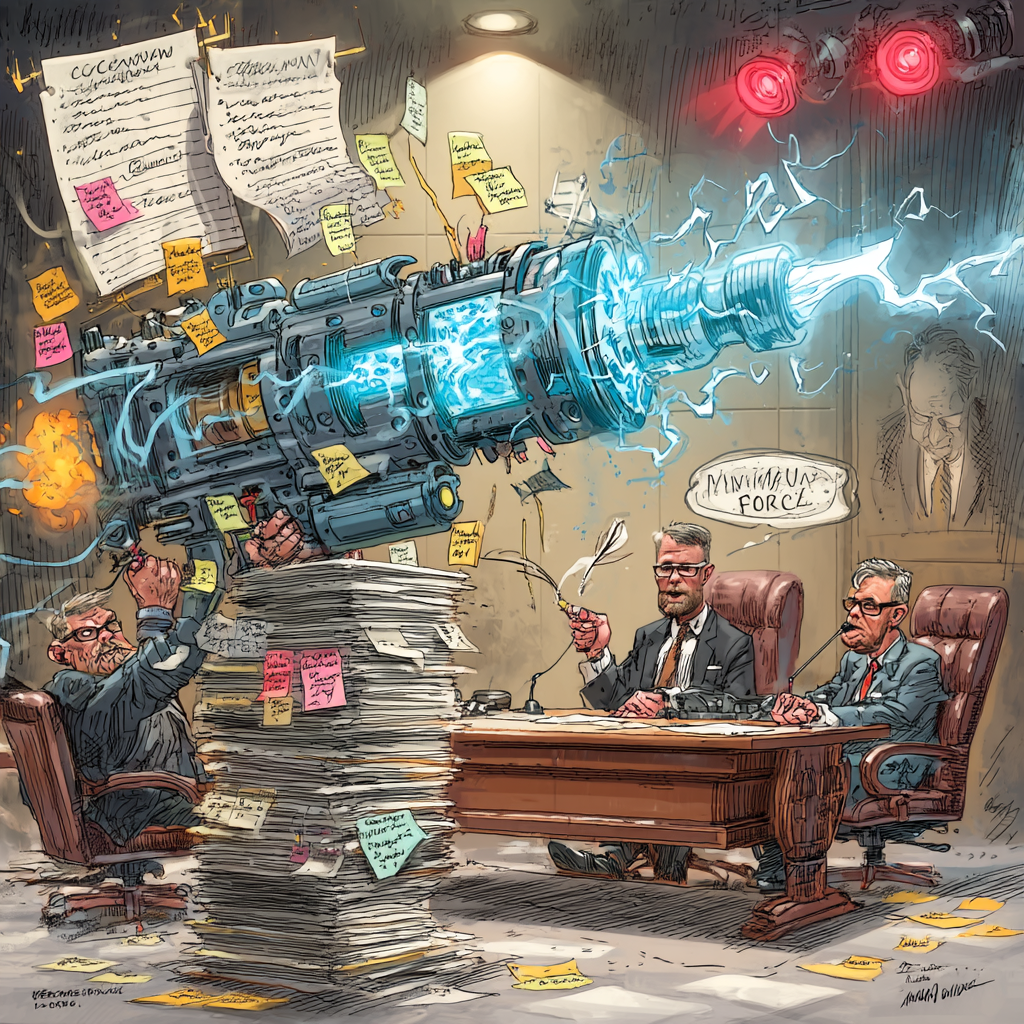
The Transcript That Keeps Saying “Correct.”
If you ever wanted to hear the word “Correct” weaponized, buckle up.
On October 3, 2025, former Superior Police Officer Taylor Gaard gave sworn testimony in federal court in Ian Cuypers v. Superior Police Department Officer Justin Taylor .
And the deposition reads like a call-and-response church service for use-of-force policy.
Attorney: “Passive resistance is not actively resisting or higher; correct?”
Gaard: “Correct.”
Attorney: “So it was your understanding that it was not appropriate to use tasers on a passively resisting suspect?”
Gaard: “Correct.”
Somewhere, a civil litigator whispered, “Amen.”

The Taser Training Greatest Hits
Let’s go line by line, because the transcript sure does.
On What a Taser Can Do
Gaard acknowledged training materials stating tasers can cause:
“Death or serious injury.”
And when asked if that constitutes significant force?
Her answer:
“Correct.”
That’s not ambiguous. That’s not “it depends.” That’s a neon sign blinking: THIS IS SERIOUS.
On Passive Resistance
The department’s own definitions were reviewed under oath:
Passive resistance: “Non-threatening and non-compliant behavior.”
Active resistance: Behavior that physically counteracts control efforts and creates risk of bodily harm.
Then came the hammer:
Attorney:
“This policy does not authorize the use of a taser in response to passive resistance; correct?”
Gaard:
“Yes. That’s correct.”
That’s not a maybe. That’s not a footnote. That’s an admission.
On Verbal Defiance and Belligerence
From AXON training materials:
“Do not use for verbal defiance.”
“Do not use for belligerence.”
Under oath:
Attorney:
“It was your understanding that a taser should not be used in response to verbal defiance?”
Gaard:
“Correct.”
Attorney:
“And not for belligerence?”
Gaard:
“Yes.”
So not for mouthing off.
Not for attitude.
Not for sass.
This isn’t 1987 detention hall.
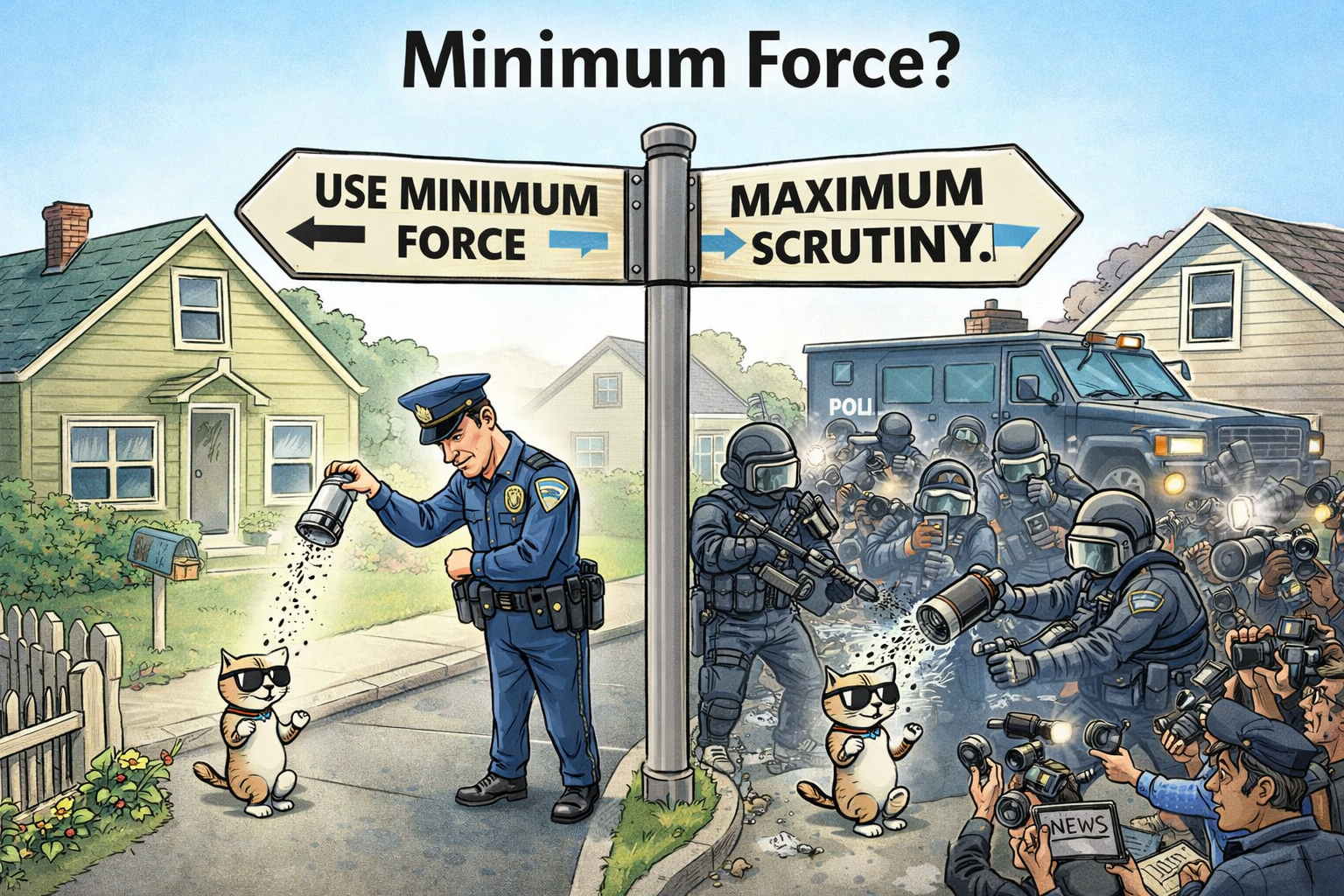
On Minimum Force
Training slide, Question 13:
“Use the minimum force necessary to accomplish lawful objectives.”
“Use force only on those actively resisting or higher.”
Under oath:
“It was your understanding that it was appropriate to use a taser only on those actively resisting or higher?”
Gaard:
“Correct.”
Then the follow-up:
“Passive resistance… is not actively resisting or higher; correct?”
Gaard:
“Correct.”
There it is again. Like a drumbeat.

The Traffic Stop That Wasn’t “Heat”
Let’s zoom out.
February 28, 2024.
Reason for stop? Likely driving the wrong way down a one-way street.
Attorney:
“Going the wrong way on a one-way… usually doesn’t end in arrest; correct?”
Gaard:
“Yes.”
Five officers responded.
Five uniforms. Five firearms. Multiple tasers.
Attorney:
“There were five bodies there in SPD uniforms; right?”
Gaard:
“Yes.”
And she drew her firearm before the driver exited the vehicle.
That’s not a parking ticket vibe. That’s a SWAT audition.
The Resume Meets Reality
Gaard testified she holds two bachelor’s degrees—criminology and psychology. She attended academy training. She was taser-certified through AXON.
No prior discipline. No suspensions.
This wasn’t ignorance. This wasn’t lack of training.
This was someone who acknowledged, repeatedly and clearly, what the policy said.
And juries don’t ignore repetition.
The Legal Tightrope
One exchange may end up living rent-free in closing arguments:
Attorney:
“In February of 2024, it was your understanding that the use of a taser was not appropriate in response to passive resistance; correct?”
Gaard:
“That’s correct.”
The courtroom version of Chekhov’s gun.
You introduce that line early?
It’s firing in trial.

Final Crossing Signal
Depositions don’t yell.
They don’t posture.
They just stack admissions like VHS tapes in a Blockbuster clearance bin.
And when a transcript echoes “Correct” over and over on key policy limits, the real question isn’t what training said.
It’s whether training meant anything when it counted.
Federal court will decide.
Stay tuned.
Sources :
Disclaimer
This article is commentary based on publicly filed deposition testimony in federal court . Allegations remain subject to judicial determination. All parties are presumed innocent unless and until proven otherwise. This piece reflects opinion and analysis for public discussion.

Monday’s Meme-“Weeds Win 6-4 Council Vote on East 5th Street”
A street job became a bureaucratic soap opera: delays, due diligence, and weeds where finished work should be.

FOIA Friday: “Mayor Jim’s Tax-Payer Funded Campaign Aide ?—Plus an HR Hook-Up for Cousin Eddie”
City Hall’s HR rewrite sparks nepotism fears, election-year questions, and taxpayer outrage over a campaign-style aide.

Monday Meme Drops: Lock the Clock, Save Bucks!
Superior PD’s punch-clock scandal exposed: 1,180 retro-edits, ghost shifts, and a possible $41K hit to taxpayers.

FOIA Friday: 1,180 “Retro-Punches” — Superior’s Time-Card Circus!
PowerTime retro-punches may be skewing hours, hiding overtime, and burning taxpayer dollars.

SPD Decoder Ring: Leadership Swaps That Lawyers Love
Federal court meets SPD turnover: a timeline decoder for promotions, retirements, and who was in charge when it happened.
