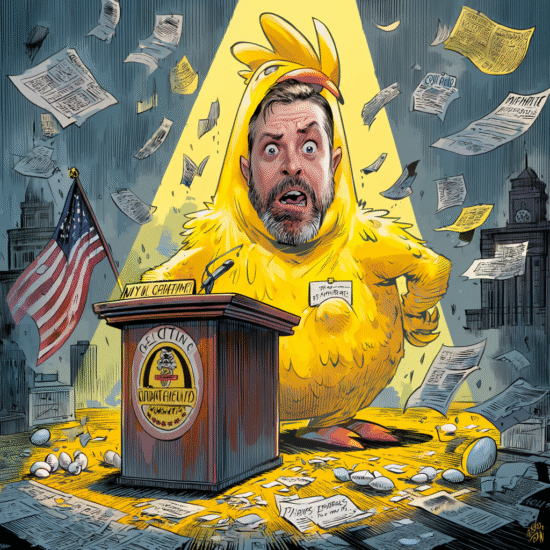
SoupNutz Exclusive: The Budget Circus Comes to the Ballot
Superior’s city budget ballooned 47% in six years while the population quietly slipped out the back door.
Now the voters get a chance to weigh in.
The April 2026 spring election puts two members of what critics lovingly call the mayor’s “clown council” on the ballot:
Garner “Garnished” Moffat and Nick “Lockstep” Ledin.
Meanwhile, longtime council fixture Ruth “Rubberstamp” Ludwig is retiring, which means one reliable vote for City Hall’s spending agenda is riding off into the sunset.
That leaves two of the mayor’s budget buddies standing between voters and the city’s ever-expanding expense sheet.
The Budget That Ate Superior
Let’s start with the numbers that should make taxpayers choke on their Friday fish fry.
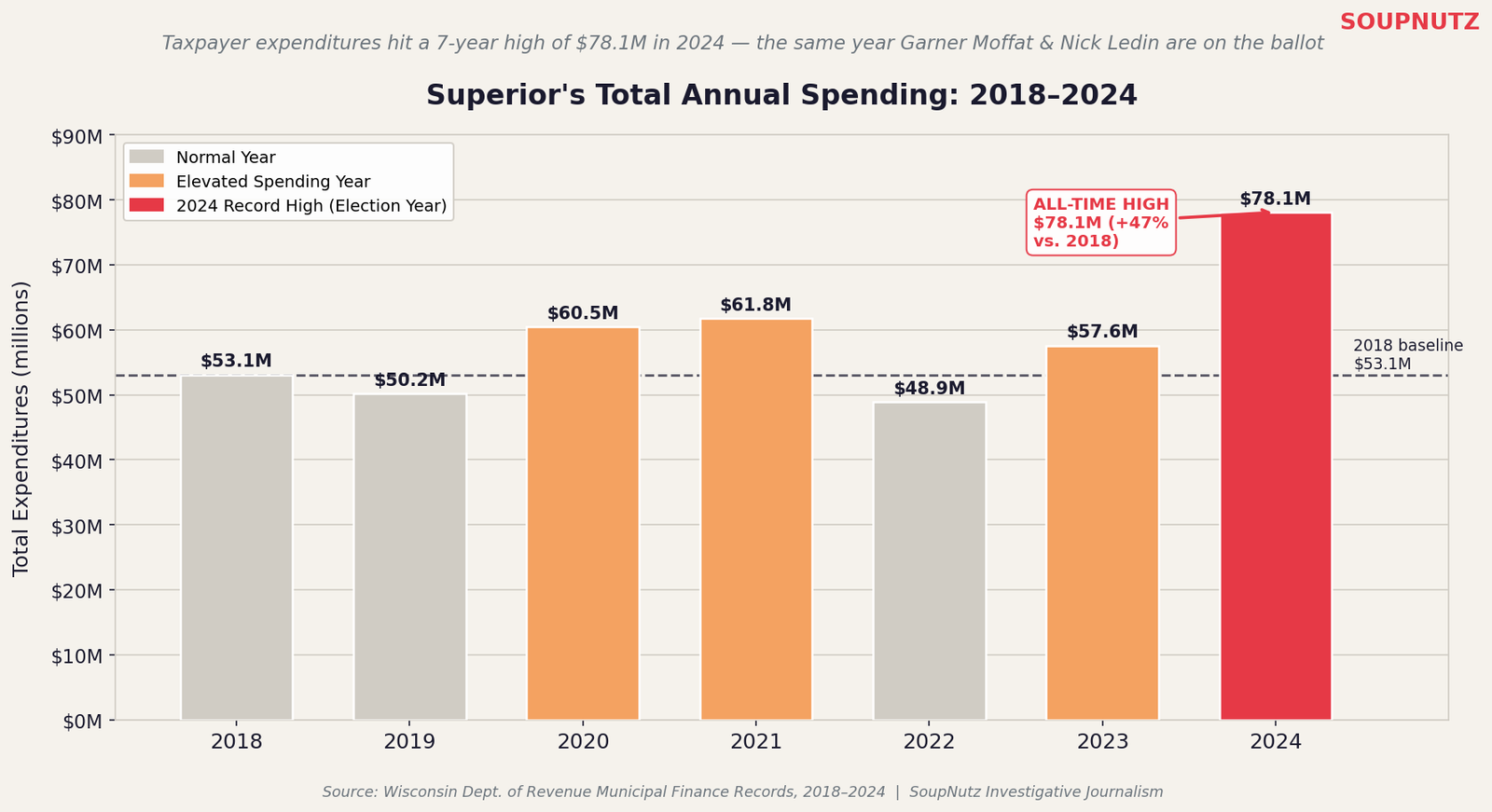
Between 2018 and 2024, Superior’s spending climbed from $53.1 million to $78.1 million.
That’s a 47% increase.
Over the same period, the city’s population dropped from 27,257 to 26,859.
Fewer people. More spending.
That’s not growth. That’s a financial magic trick.
The Per-Resident Reality
When you divide city spending by the number of residents, things get spicy.
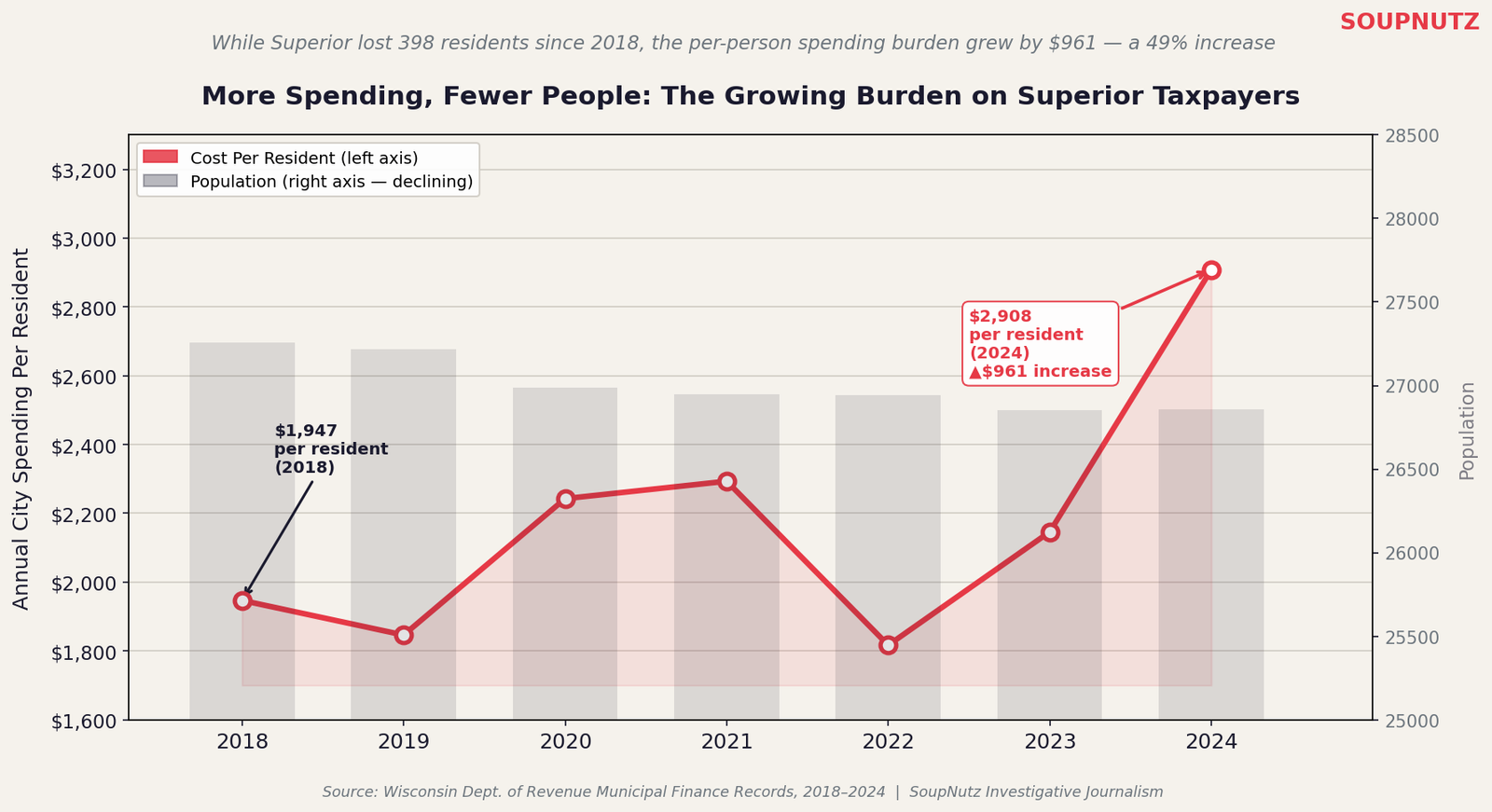
In 2018, Superior spent about $1,947 per resident.
By 2024, that number hit $2,908 per resident.
That’s a 49% increase in the cost of government for every person living in the city.
Every man. Every woman. Every Child.
Even the guy who still thinks Blockbuster might reopen.
The Spending Explosion
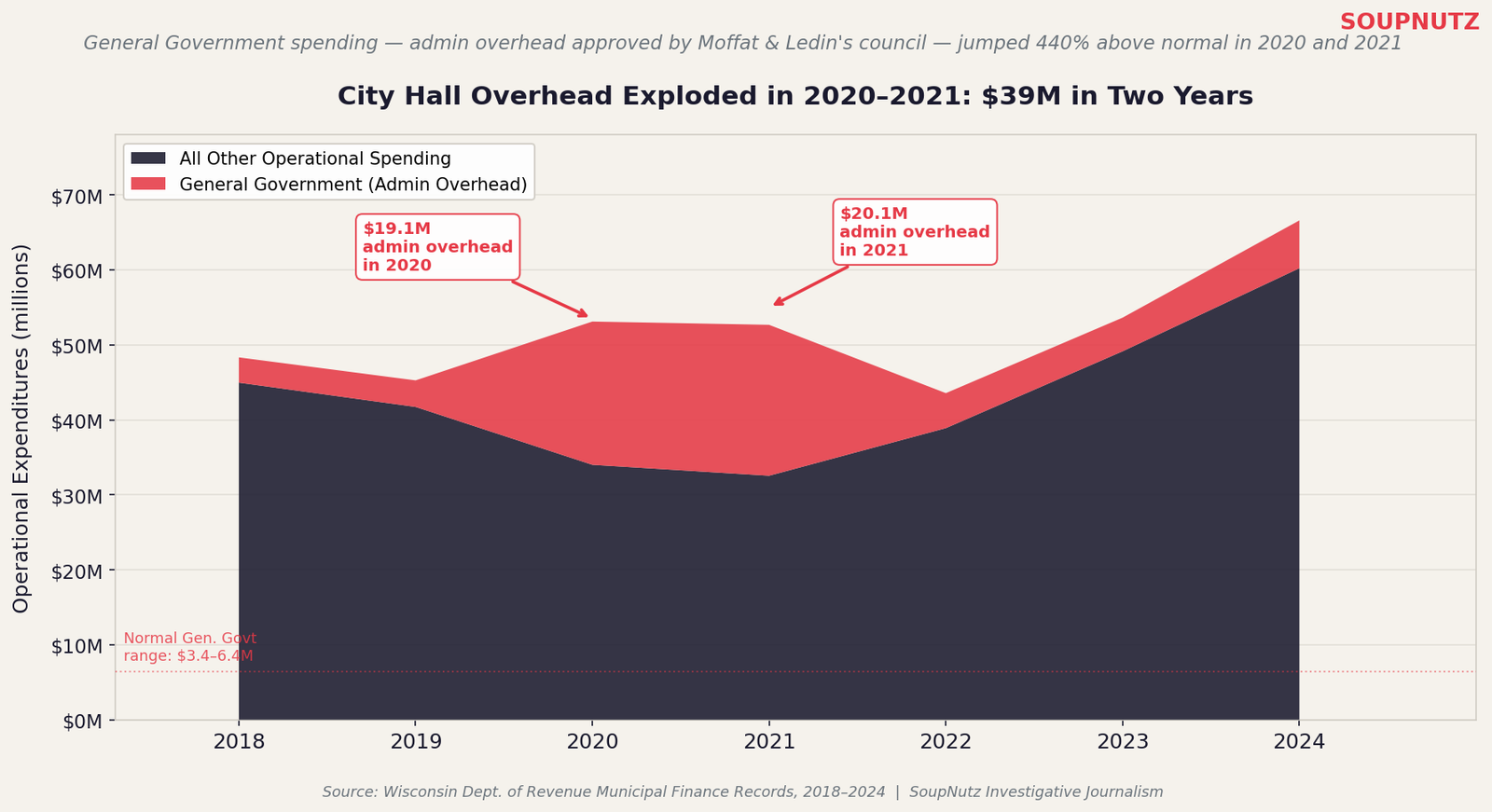
Some categories inside the budget didn’t just grow — they launched like a Space Shuttle.
Administrative Government
Administrative costs jumped from $3.4 million to $6.4 million.
That’s an 89% increase.
Apparently paperwork now requires premium fuel.
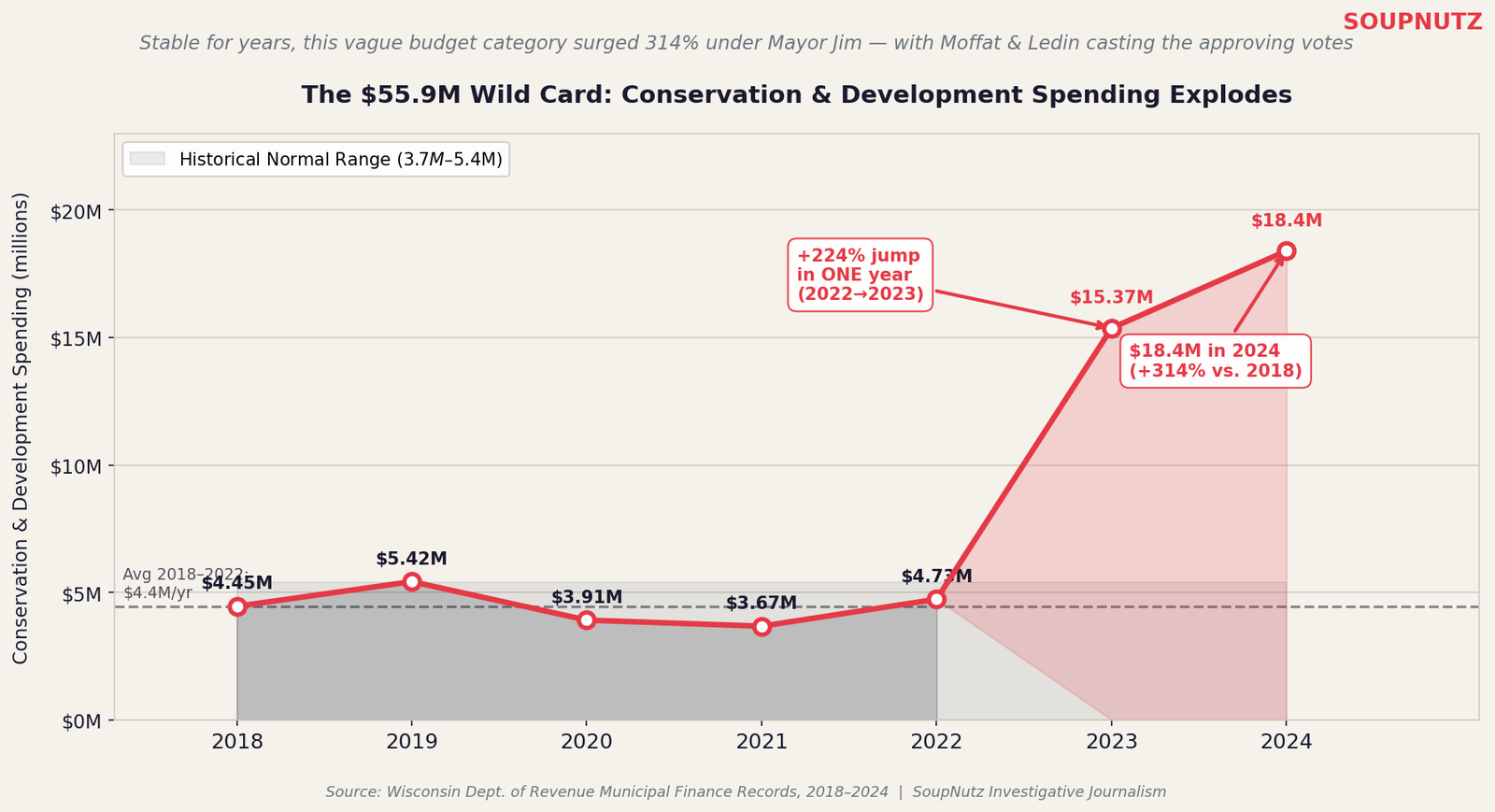
Economic Development
This category deserves its own fireworks show.
Spending jumped from $4.4 million to $18.4 million.
That’s more than 300% growth.
Either Superior discovered the secret to economic prosperity… or consultants are buying lake cabins.
Law Enforcement and Roads
Police spending rose 25%.
Road construction nearly tripled.
Some of that spending makes sense. Cities need cops and roads.
But when every category swells at once, the budget starts looking like a Vegas buffet plate.
Enter the 2026 Election
This brings us to the political subplot.
Two council members closely aligned with Mayor Jim Paine’s budget priorities face voters this spring.
Garner “Garnished” Moffat — District 3

Moffat once declared he had a “mandate” after winning a three-way race by a couple hundred votes.
A mandate in that context is kind of like winning a pie-eating contest because the other contestants got lost on the way to the fair.
Now voters get a second look.
Nick “Lockstep” Ledin — District 1
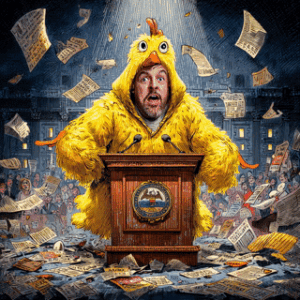
Ledin works at a prison camp in Minnesota, which means he spends his day helping convicts.
Unfortunately, when it comes to the city budget, Ledin has often marched lockstep with the mayor’s spending agenda.
That’s the kind of loyalty that makes City Hall very happy.
Taxpayers?
Still deciding.
The Exit of the Rubber Stamp

Meanwhile, Ruth Ludwig — known in some circles as “Rubberstamp Ruth” — is stepping away from the council.
For years she voted reliably with the mayor’s agenda.
Her retirement removes one of the most predictable votes on the council.
Think of it as losing the drummer in a marching band that always played the same song.
The Federal Money Mirage
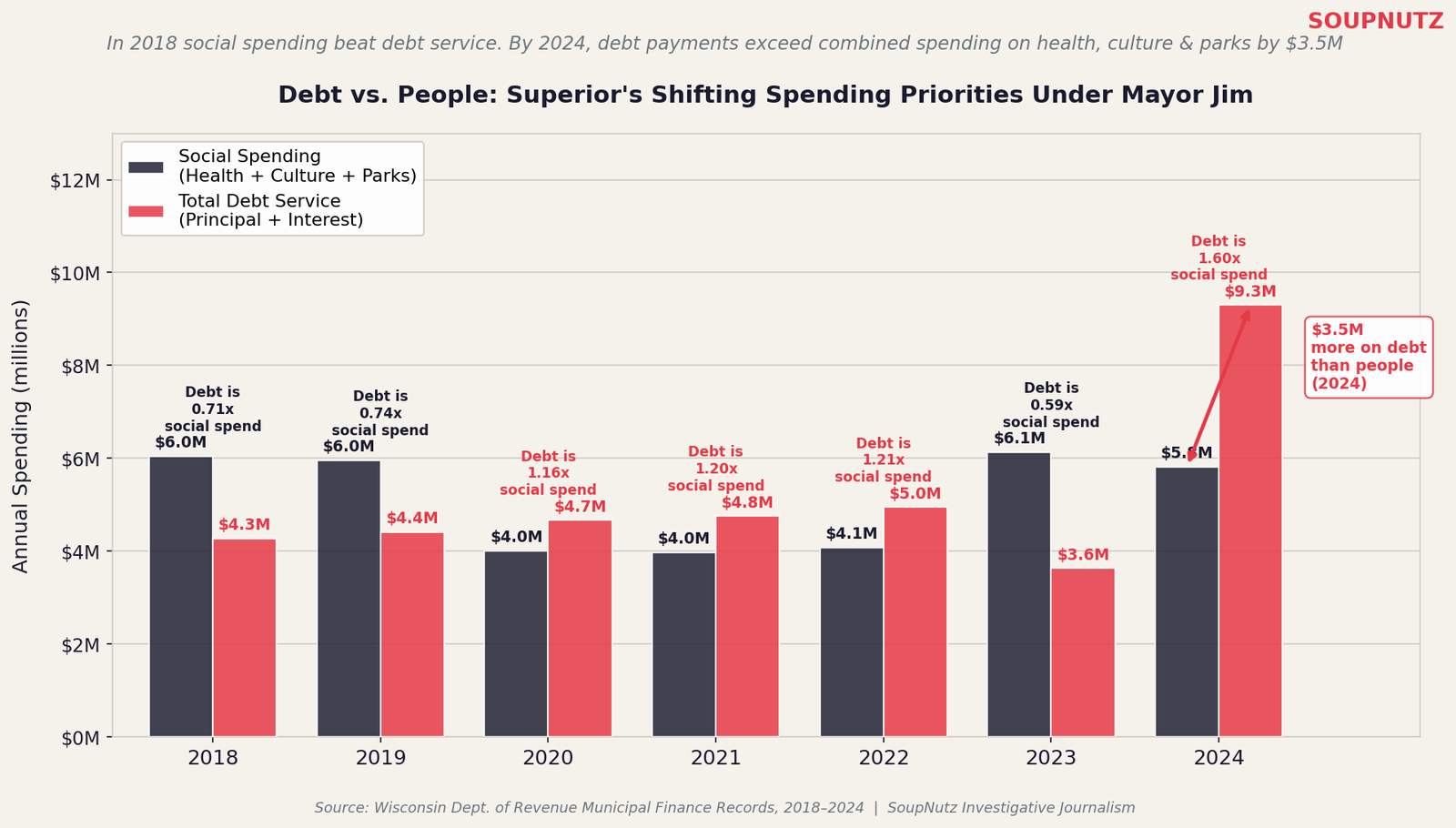
The city posted surpluses in 2020 and 2021, which sounded great.
There was just one small detail.
Those years were fueled by pandemic-era federal relief money.
Translation:
The federal government dropped off a suitcase full of cash and everyone pretended it would last forever.
Spoiler alert: it won’t.
The Real Question for Voters
Cities can spend more when they grow.
More residents. More businesses. More tax base.
But Superior is doing the opposite.
The population dipped.
The budget surged.
And now the cost per resident is approaching $3,000 a year.
That’s the math voters should keep in mind when they walk into the booth in April.
Because budgets don’t vote.
People do.
Final Crossing Signal
The April 2026 election might look like a small local race.
But it’s really a referendum on the direction of Superior’s finances.
Two council seats Moffat and Ledin.
Two incumbents aligned with the mayor’s spending priorities.
One city budget that grew nearly 50% while the population shrank.
Voters now get to decide whether City Hall keeps driving the spending bus…
or whether someone finally checks the gas pedal.
Sources :
State of Wisconsin Department of Revenue
#BudgetThatAteSuperior
#TaxpayersPickUpTheTab
#FollowTheMoneySuperior
“If the budget keeps leaking… eventually the taxpayers are the ones bailing water.” -Benjamin Franklin
Disclaimer
This article contains satire, opinion, and commentary based on publicly available municipal finance data and local political context. It is intended for discussion and civic engagement. Teachers and everyday city employees deserve recognition for their service and dedication to the community. Unlike political leadership, these workers often do the hard work that keeps the city running while administrators and elected officials control policy decisions and compensation. Readers should review official city documents and election information for complete details.

Monday’s Meme-“Weeds Win 6-4 Council Vote on East 5th Street”
A street job became a bureaucratic soap opera: delays, due diligence, and weeds where finished work should be.

FOIA Friday: “Mayor Jim’s Tax-Payer Funded Campaign Aide ?—Plus an HR Hook-Up for Cousin Eddie”
City Hall’s HR rewrite sparks nepotism fears, election-year questions, and taxpayer outrage over a campaign-style aide.
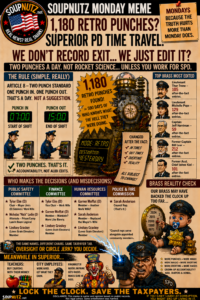
Monday Meme Drops: Lock the Clock, Save Bucks!
Superior PD’s punch-clock scandal exposed: 1,180 retro-edits, ghost shifts, and a possible $41K hit to taxpayers.

FOIA Friday: 1,180 “Retro-Punches” — Superior’s Time-Card Circus!
PowerTime retro-punches may be skewing hours, hiding overtime, and burning taxpayer dollars.

SPD Decoder Ring: Leadership Swaps That Lawyers Love
Federal court meets SPD turnover: a timeline decoder for promotions, retirements, and who was in charge when it happened.