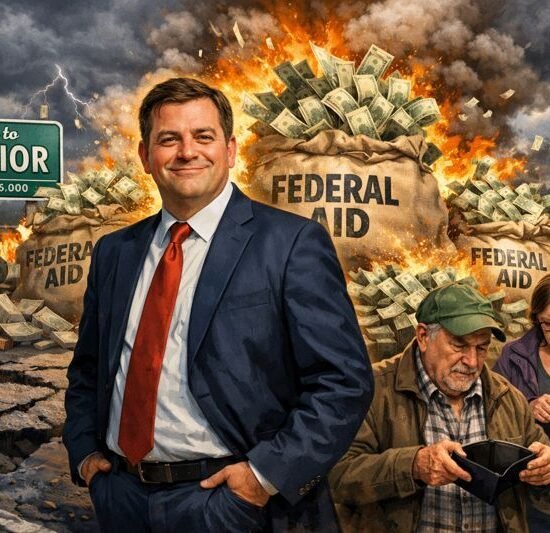
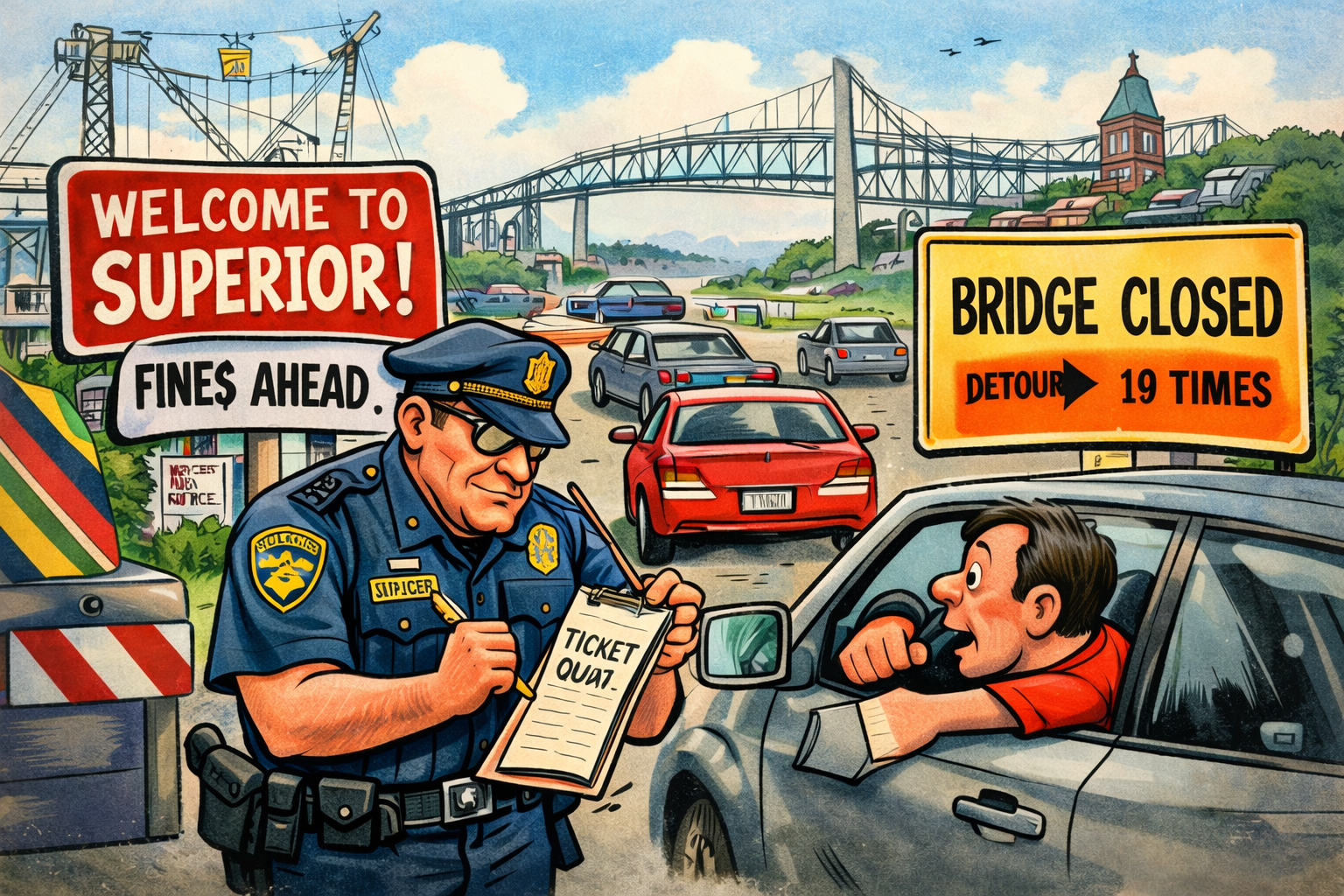
Bridge Out, Accountability Out: Welcome to the Superior Detour
When the Blatnik Bridge detour starts funneling drivers through Superior, Wisconsin, thousands of people will experience the city the same way.
Through a windshield.
And lately that windshield view comes with a nagging question:
“Who exactly is watching the watchers?”
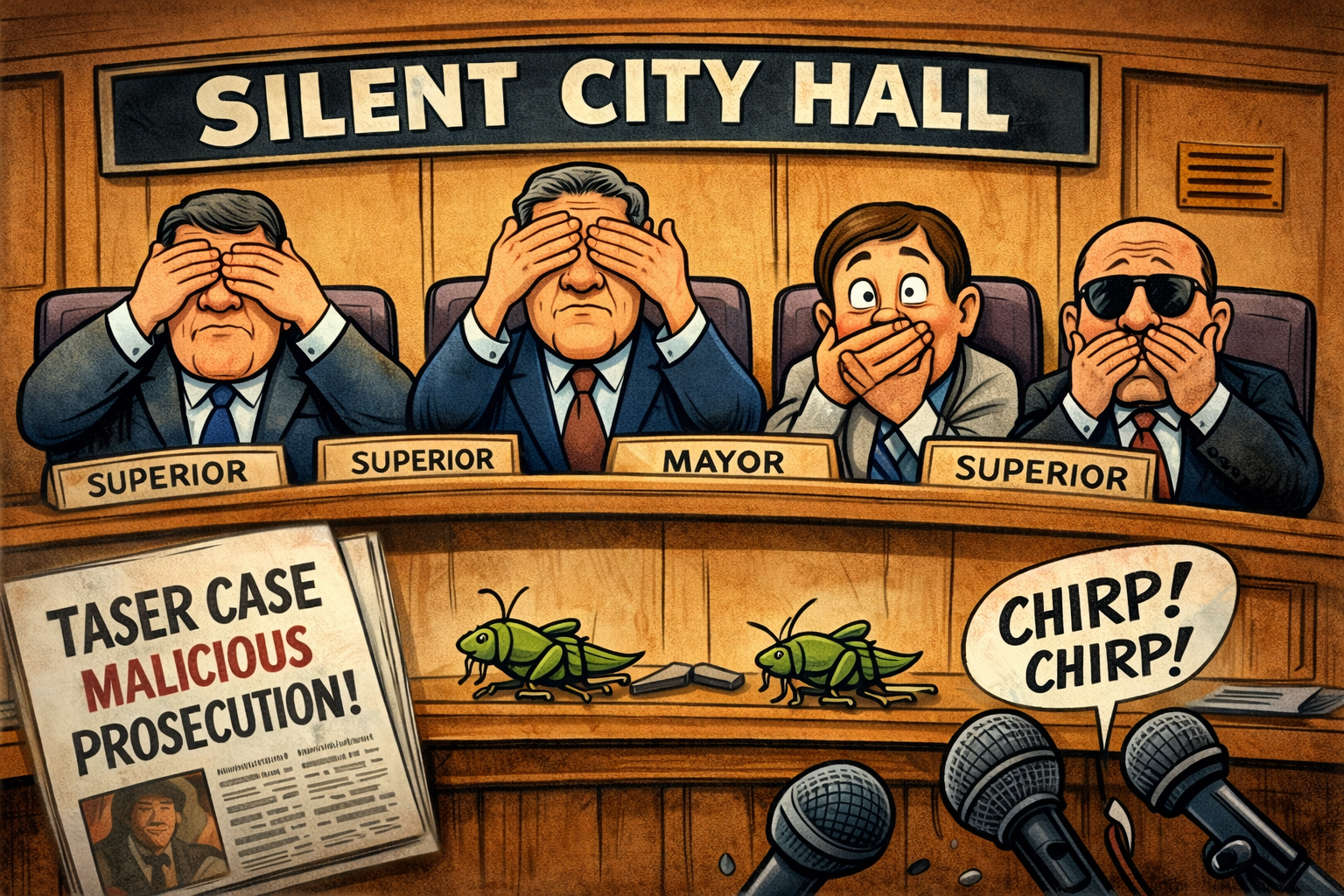
Because if you’ve been waiting for the mayor or city council to address the Ian Cuypers tasing incident—the one where he was tased in the back, and the city attorney not the district attorney charged him with resisting—you probably heard the official response.
Nothing.
Not a press conference.
Not a policy discussion.
Not even the political equivalent of “we’ll circle back.”
Just crickets.
“And that silence matters when the state is about to send thousands of unfamiliar drivers straight through town.”
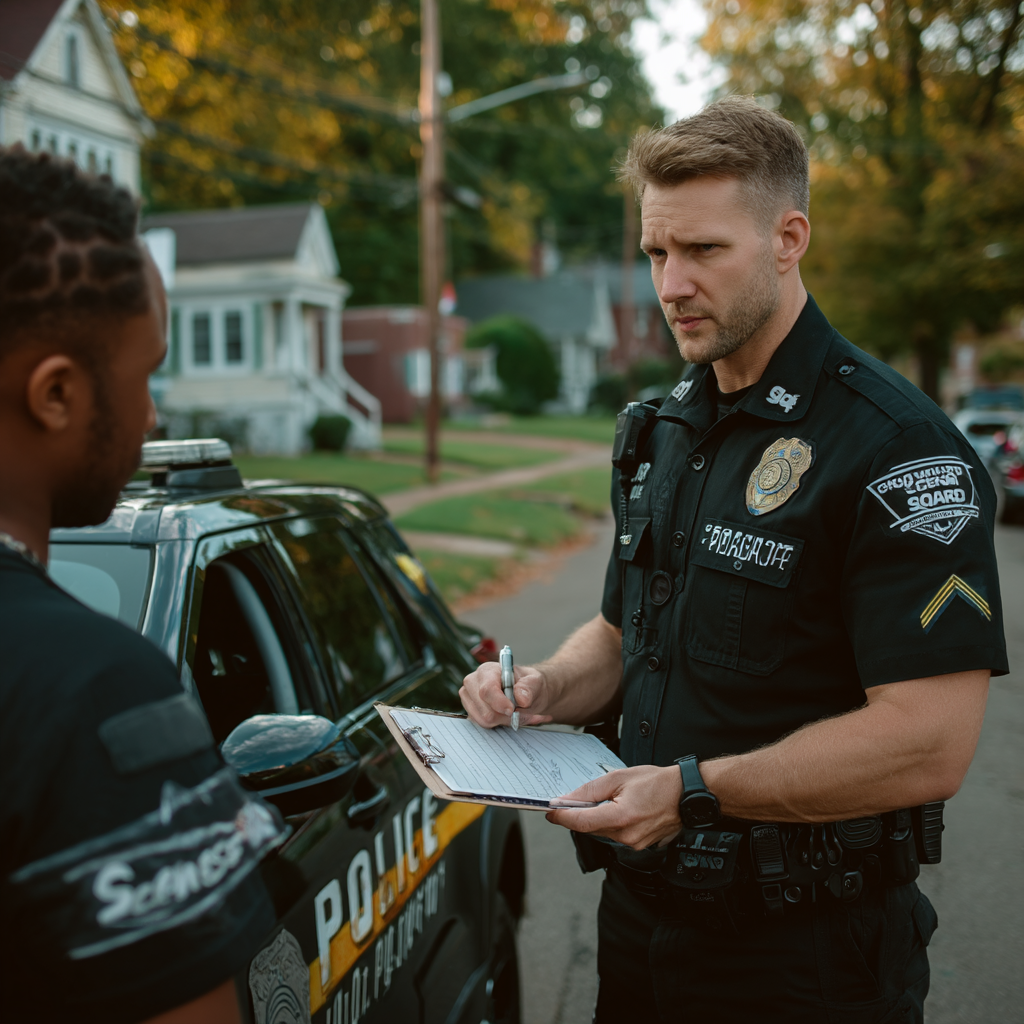
Campus Cop Traffic Court: $10K Worth of “Public Safety”
Before bridge traffic even arrives, something strange already popped up on Belknap Street, Superior’s main artery.
One UWS Officer wrote roughly $10K in traffic tickets on city streets.
Not campus roads.
Not the student parking lot where someone backed into a Prius.
The main corridors of the city.
Those same corridors that will soon carry bridge detour traffic.
Drivers don’t see that and think “safety initiative.”
They see it and think “Speed Trap Season.”
Because when enforcement spikes exactly where traffic will stack, it feels less like traffic safety and more like municipal fundraising with flashing lights.
The Ian Cuypers Case: A Loud Courtroom, A Silent City Hall
Let’s rewind.
“Ian Cuypers was tased in the back.”
Then the city pursued prosecution for resisting arrest. Local jury said no way.
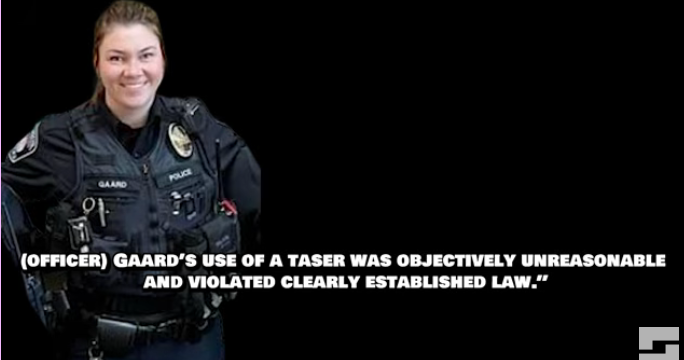
“A federal ruling later labeled the case malicious prosecution.”
That’s not legal jargon for “oops.”
That’s a court saying the government crossed a line.
You’d think that might spark discussion inside City Hall.
Maybe a council meeting debate.
Maybe the mayor saying something like:
“Hey, let’s review policies so this doesn’t happen again.”
Instead?
“City Hall reacted like someone muted the microphones.”
The Sound of Accountability
Mayor Jim Paine hasn’t addressed it publicly.
The city council hasn’t debated it.
No emergency meeting.
No policy review.
No public explanation.
Just silence.
For a city about to receive massive detour traffic, that silence is not reassuring.
It’s unsettling.
“Because if leadership won’t talk about a federal court criticizing a prosecution tied to police conduct, drivers are left wondering what else gets ignored.”
Douglas County: Cameras Everywhere… Except Traffic Stops
Now let’s add another wrinkle.
Douglas County uses cameras in plenty of places.
• The courthouse
• County buildings
• The jail
But not on officers.
Not in squad cars.
No body cameras.
No dash cameras.
“Which means if you get pulled over on a dark stretch of road, there’s no video record of the interaction.”
In 2026.
When gas stations livestream their coffee machines and your smartwatch can track your heartbeat during a nap.
Yet roadside police interactions rely on memory and paperwork.
That’s not transparency.
That’s a documentation gap big enough to drive a snowplow through.
Bridge Detour Meets Enforcement Reality
The Blatnik Bridge project will reroute thousands of vehicles through Superior.
That means:
Confused drivers
Unfamiliar roads
Construction chaos
Out-of-town license plates
Now combine that with:
• Ticket surges on the main corridor
• No body cameras documenting stops
• City leadership refusing to address a high-profile tasing case
You don’t get public confidence.
You get raised eyebrows.
“And maybe a few drivers wondering whether Wisconsin should reroute detour traffic around Superior entirely.”
Because detours should slow cars down.
They shouldn’t raise concerns about transparency and accountability.
Safety Isn’t Just Fewer Crashes
Real road safety isn’t only about speed limits.
It’s about trust.
Drivers trust that enforcement is fair.
Drivers trust interactions are documented.
Drivers trust local leaders speak up when something goes wrong.
Right now, Superior struggles with that third part.
When a federal ruling calls a prosecution malicious and City Hall responds with silence, it leaves a vacuum.
And vacuums fill quickly—with speculation, skepticism, and distrust.

Final Crossing Signal
Thousands of drivers will soon pass through Superior because a bridge forces them to.
They won’t know the local politics.
They won’t know the police policies.
They’ll only know one thing:
“If something goes wrong on the roadside, there might not be a camera recording it—and the people running the city don’t seem eager to talk about the last time things went sideways.”
That’s not a comforting thought for a town about to become a regional traffic funnel.
Because when the bridge closes, drivers won’t just be navigating construction.
They’ll be navigating a city where accountability sometimes sounds an awful lot like…
crickets.
 Mic drop.
Documents Drivers Should Read :
#CitationCorridor
#BridgeOutTicketsOut

Is Superior Safe for Drivers? Upcoming Bridge Detour Sparks Driver Safety Debate!
Bridge Out, Accountability Out: Welcome to the Superior Detour When the Blatnik Bridge detour starts funneling drivers through Superior, Wisconsin, thousands of people will experience the city the same way. Through a windshield. And lately that windshield view comes with a nagging question: “Who exactly is watching the watchers?” Because if you’ve been waiting for the mayor or city council to address the Ian Cuypers

Civil Rights Lawsuits in Superior Hit Record—Nick “LockStep” Ledin Up for Re-Election ‘Nothing to See Here’
SoupNutz Exclusive: When Quiet Sounds Like a Yes Some politicians shout. Some negotiate. And then there’s Nick “Lockstep” Ledin. For six years, Nicholas Ledin has held the District 1 seat. Six years of roll calls. Six years of budgets. Six years of votes that moved in rhythm with Jim Paine like they were rehearsing a municipal boy band reunion tour. You can call that teamwork.

COURT DOCS – Cuypers v. Taylor et al – Opinion and Order on Excessive Force (Feb. 9, 2026)
This Opinion and Order, entered on February 9, 2026, by Judge James D. Peterson in the United States District Court for the Western District of Wisconsin, addresses cross-motions for summary judgment in Ian Richard Cuypers v. Justin Taylor, Taylor Gaard, Matthew Brown, and City of Superior, Case No. 24-cv-743-jdp. The case arises from a February 28, 2024 traffic stop in Superior, Wisconsin, during which City
The Superior Police Department Federal Deposition That Reads Like a Plaintiff’s Closing Argument
In a federal court deposition, former Officer Taylor Gaard confirms that tasers shouldn’t be used on passively resisting suspects. Key policies highlighted.
COURT DOCS – Use of Force Expert Witness Coordination – Superior and Eau Claire Police (May–June 2024)
This document consists of a series of email communications dated between May 15, 2024, and June 18, 2024, involving senior law enforcement officials in Wisconsin regarding a request for an external review of a police use-of-force incident. The correspondence originates from Paul Winterscheidt, Chief of Police for the Superior Police Department, as part of preparation for a municipal ordinance trial scheduled for July 2024. The