The Fourth Amendment Does Not Ban Looking Around Even In Superior
Here’s what the federal complaint lays out.
Ian Cuypers made a wrong turn down a one-way street while delivering DoorDash.
That’s a traffic ticket.
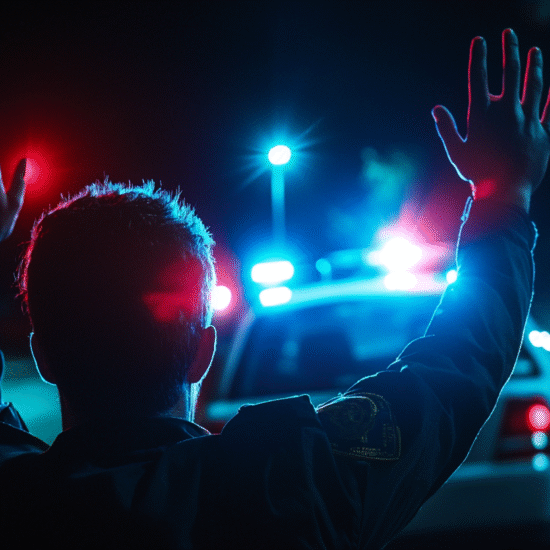
According to the complaint, multiple officers arrived, drew firearms, and pointed them at him despite no basis to believe he was armed or dangerous.
He exited the vehicle.
He backed toward officers with his hands up.
He was confused. He was scared.
He was tased.
Later, he was charged with resisting or obstructing.
A jury acquitted him.
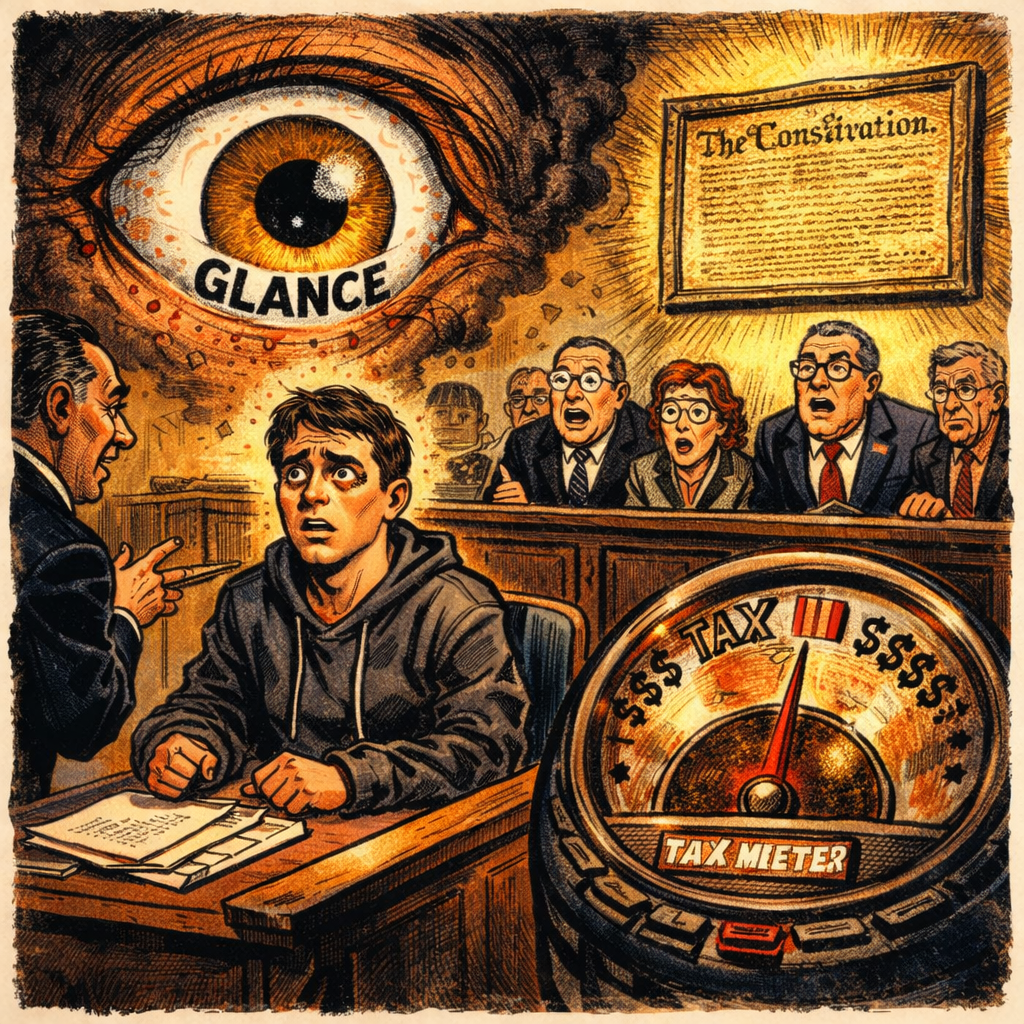
And somewhere in the narrative justification? Glances. Looking around. Confusion.
Let’s say this slowly:
The Constitution does not criminalize nervous eye movement.
If being confused while surrounded by officers pointing guns at you is suspicious, then we’ve redefined “reasonable.”
Guns Drawn Over a Wrong Turn
The complaint states officers drew their firearms during a stop for a minor traffic violation, without a basis to believe the driver was armed or posed a threat.
That escalation is the hinge point.
Because once you raise the temperature like that, every movement becomes “furtive.”
Every glance becomes “non-compliance.”
Every delay becomes “resisting.”
But here’s the kicker.
After all that, the jury said not guilty on resisting.
That’s not a technicality.
That’s twelve people saying the prosecution didn’t carry the load.
Wait—Why Did the City Prosecute This?
Now we hit the part nobody at City Hall wants to discuss.
Why did the city push this resisting charge all the way to trial?
Why wasn’t the District Attorney handling it?
Resisting or obstructing under Wisconsin law is typically prosecuted by the county DA’s office.
So why was this case pursued in a way that, according to the complaint, went “all the way to trial” despite lacking probable cause?
Who made the call to keep going?
Who reviewed the evidence?
Who signed off on taxpayer-funded courtroom time over a case built on “he looked around”?
Because once the resisting charge stuck around long enough to require a jury, the meter started running.
And the meter isn’t connected to City Hall’s personal Venmo.
It’s connected to you.
Indemnification: Translation — You Pay
The complaint explicitly includes a claim for indemnification under Wisconsin law requiring the City of Superior to pay tort judgments for employees acting within the scope of their employment.
That’s legalese for:
If this ends in damages, the city cuts the check.
Defense costs.
Attorney fees.
Compensatory damages.
Potential punitive exposure for individuals.
Add in the cost of the criminal trial that resulted in acquittal.
This isn’t abstract.
This is budget-impact real.
The Optics vs. The Constitution
Here’s the pattern taxpayers should notice.
Traffic stop.
Escalation.
Force used.
Resisting charge filed.
Resisting charge tried.
Resisting charge lost.
Federal lawsuit filed.
And no public explanation of why that prosecution was worth the risk.
If the case was strong, the jury would have said so.
If the case was weak, why was it pursued?
Why didn’t the District Attorney get the case ?
Why did the Superior Police Department and City Attorney Frog Prell prosecute it ?
Those are grown-up questions.
They deserve grown-up answers.
Meanwhile, The People Who Don’t Get Indemnified
Teachers don’t get indemnified when they misjudge a situation.
City workers don’t get a public-funded legal shield if they overreact on the job.
They get consequences.
But when a prosecution built on shaky ground turns into a federal civil rights claim, leadership shrugs and calls it “part of the process.”
No.
It’s part of the budget.
And if insurers decide Superior is trending risky, premiums rise.
If premiums rise, services shrink.
And suddenly that “glance” costs more than a traffic ticket ever would have.
Final Crossing Signal
This isn’t about hating law enforcement.
It’s about hating unnecessary liability.
If confusion and glances during a gunpoint stop are enough to justify resisting charges, we’ve diluted probable cause into vibes.
And if City Hall pushed a weak case instead of letting it die quietly, taxpayers now deserve to know why.
Because when the jury says not guilty and the federal court says see you soon, someone should explain why we got here. And whose being fired.
Instead, we get silence.
And silence is expensive.
Mic drop.
Sources :
Disclaimer
This article is satirical commentary intended for public discussion and entertainment. It reflects opinion based on publicly filed federal court documents, not judicial findings of liability. Allegations referenced are drawn from the complaint in Cuypers v. Taylor et al. Teachers and regular city employees are recognized for their dedication and service to the community. Administrative leadership and elected officials, including the mayor, are public figures subject to scrutiny and debate regarding legal exposure, fiscal responsibility, and governance decisions.

Mayor Jim Paines Echo Chamber Loses Labor Support
Mayor Jim’s crew faces backlash over union job losses tied to the NTEC plant. Hard hats demand real support, not empty speeches.

Mayor Jim “Petty” Paine Stars in “Honey, I Shrunk Accountability”
Superior’s appeal hints at a courtroom farce where accountability is absent, and taxpayers bear the brunt of the spectacle.

Douglas County’s Police Dogs Have a Loophole, and Deputies Still Don’t Have Body Cameras
Douglas County’s police dogs bypass bite reporting rules, lacking body cameras for accountability. Is transparency just a magic trick?

Updated Federal Rights Complaint Alleges a Toxic Mix of Sex Bias, Surveillance, and More Constitutional Neglect
In a shocking expose, one police officer’s pregnancy reveals systemic sexism and harassment within the department, spotlighting urgent issues of workplace equality.

Why Represent Your District When You Can Just Be a Bluetooth Speaker for Mayor Jim Paines Ego
Superior City’s governance faces criticism for prioritizing projects over civil rights, creating a Mayor-Ventriloquist System that silences public voices.